Free Consultation312-605-8800



- Home
- Attorneys
- What We Do
- Personal Injury
- Car Accidents
- Motorcycle Accidents
- Trucking Accidents
- Bike Accidents
- Pedestrian Accidents
- Boating and Cruise Ship Accidents
- Construction Negligence
- Premises Liability
- Mass Transportation Accidents
- Nursing Home Abuse and Neglect
- Product Liability
- Food Poisoning
- Severe Catastrophic Injuries
- Sexual Abuse
- Toxic Tort
- Personal Injury FAQs
- Medical Negligence
- Wrongful Death
- Referring Lawyers
- En Español
- Personal Injury
- Our Successes
- Media
- Contact
Free Consultation312-605-8800
Most Dangerous Medical Devices That Fail
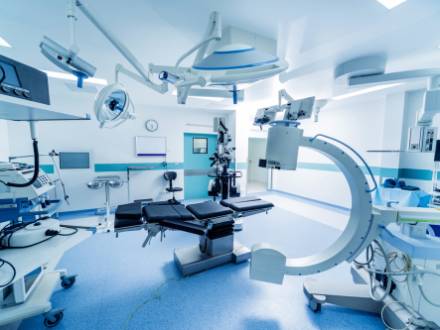 Some of the most dangerous medical devices are placed inside the body, which means when they fail, the harm can be serious and hard to undo. If you or someone you love was hurt by a defective medical device, Chicago, IL product liability lawyers can help you understand your options and fight for the compensation you deserve.
Why Do Medical Devices Fail?
Medical devices fail for many reasons. Some are poorly designed from the start. Others are made with bad materials. Some are rushed to market before they are fully tested. Others fail because the manufacturer did not warn patients or doctors about known risks.
The FDA is supposed to oversee medical devices, but it relies heavily on manufacturers to report problems. When companies put profits ahead of patient safety, dangerous devices can stay on the market for years before anyone fully understands how much harm they are causing.
Which Medical Devices Have the Most Dangerous Failure Rates in 2026?
Not all medical device failures cause the same level of harm. Some failures cause minor problems that heal with treatment. Others cause permanent damage, require multiple surgeries, or put lives at risk. The devices below have all been the subject of major recalls, FDA safety warnings, and large-scale lawsuits because of how badly they can hurt patients when they go wrong.
Metal-on-Metal Hip Implants
Metal-on-metal hip implants were widely used in the 2000s. Manufacturers said they would last longer than older implants. The problem is that the metal parts grind against each other during normal movement. This releases tiny metal particles into the body. Those particles can cause a condition called metallosis, which is a toxic buildup of metal in the tissue and blood. It damages tissue and bone, causes pain and swelling, and can limit movement. Many patients needed additional surgery to remove the failed implant, and some were left with permanent damage.
Transvaginal Mesh
Transvaginal mesh was designed to treat pelvic organ prolapse and bladder control problems in women. It was placed through the vagina to support the surrounding tissue. For many women, the mesh wore through nearby tissue, caused long-term pain, led to infections, and damaged organs like the bladder and bowel. Removing the mesh is often very difficult and sometimes cannot be done completely, leaving patients with lasting problems. The FDA issued multiple safety warnings and eventually pulled many of these products from the market.
IVC Filters
IVC filters are small devices placed inside a large vein to catch blood clots before they reach the lungs. They are used for patients who cannot take blood thinners. Some models have a serious design problem. The filter can break apart, and the pieces can travel through the body and puncture veins or organs. Some filters were meant to be temporary and removed after a short time, but many were never taken out, making fractures more likely over time.
Pacemakers and Defibrillators
Pacemakers and implantable defibrillators, known as ICDs, help control heart rhythm. When they stop working correctly, the results can be life-threatening. Common problems include batteries that fail without warning, software errors that cause the device to send inappropriate shocks, and wire problems that stop the device from working properly with the heart. Recalls happen more often than most people realize. When one does happen, patients have to decide whether to have surgery to replace the device or keep using one that may be defective.
Hernia Mesh
Hernia mesh is used to strengthen the abdominal wall after hernia surgery. Certain types have caused serious problems, including long-term pain, mesh moving out of place, bowel blockages, infections, and the mesh sticking to surrounding organs. Some meshes were made with materials that caused the body to react badly to them. Others were built in a way that made it very hard to remove them when something went wrong.
What Should You Do if You Were Harmed by a Defective Medical Device in Illinois?
If you think a medical device caused you harm, take these steps as soon as possible:
-
Get medical attention and keep a record of your symptoms and all treatment you receive.
-
Hold onto any records related to the device, including lot numbers, implant cards, or packaging your surgeon gave you.
-
Report the problem to the FDA through their MedWatch program.
-
Save all medical bills and records tied to the device and your care.
-
Contact a product liability attorney before any deadlines pass.
These cases are complicated. They often need expert witnesses, detailed medical records, and a strong understanding of both federal regulations and state law. In Illinois, under 735 ILCS 5/13-213, you generally have two years from the date you discovered the injury to file a claim. Missing that deadline can take away your right to compensation entirely. There is also an eight-year outer deadline from the date the product was first sold, with limited exceptions.
What Compensation Can You Recover in a Medical Device Case?
If a defective medical device hurt you, you may be able to recover money for medical bills tied to the complications the device caused, the cost of any corrective surgery, lost wages if you could not work because of your injuries, pain and suffering, and the long-term effects the injuries have had on your daily life.
In cases where a manufacturer knew about a problem and hid it, additional damages may be available. An attorney can help you figure out every type of compensation that applies to your situation and put together the strongest possible case.
Schedule a Free Consultation With Our Chicago Personal Injury Attorneys
If you or someone you love was hurt by a defective medical device, you should not have to deal with the medical and financial fallout alone. The Chicago, IL product liability lawyers at Tomasik Kotin Kasserman, LLC bring a combined 150 years of legal experience to cases like yours. That level of experience means you are working with a team that knows how medical device litigation works and how to hold manufacturers accountable for the harm they cause.
Call 312-605-8800 to talk about what happened and find out what your case may be worth.
TKK blog Center
August 26, 2026 in Medical Malpractice
How Do You Know if a Doctor Is Responsible for Your Child’s Cerebral Palsy?
Read MoreJuly 30, 2026 in Car Accidents
Suing Your Own Insurance Company After a Catastrophic Car Crash
Read MoreJune 28, 2026 in Personal Injury
Can You Sue if You Are Assaulted in a Parking Garage or Apartment Complex?
Read More
Injured? You Can Count
On Our Commitment
Call 312-605-8800
Today and Schedule a
Free Consultation
Follow Us


From our office in Chicago, Illinois we help injured victims throughout Illinois, the United States and in some cases, internationally.
Results listed are not a guarantee or indication of future case results.
161 North Clark Street, Suite 3050, Chicago, IL 60601
312-605-8800

